 Pipewise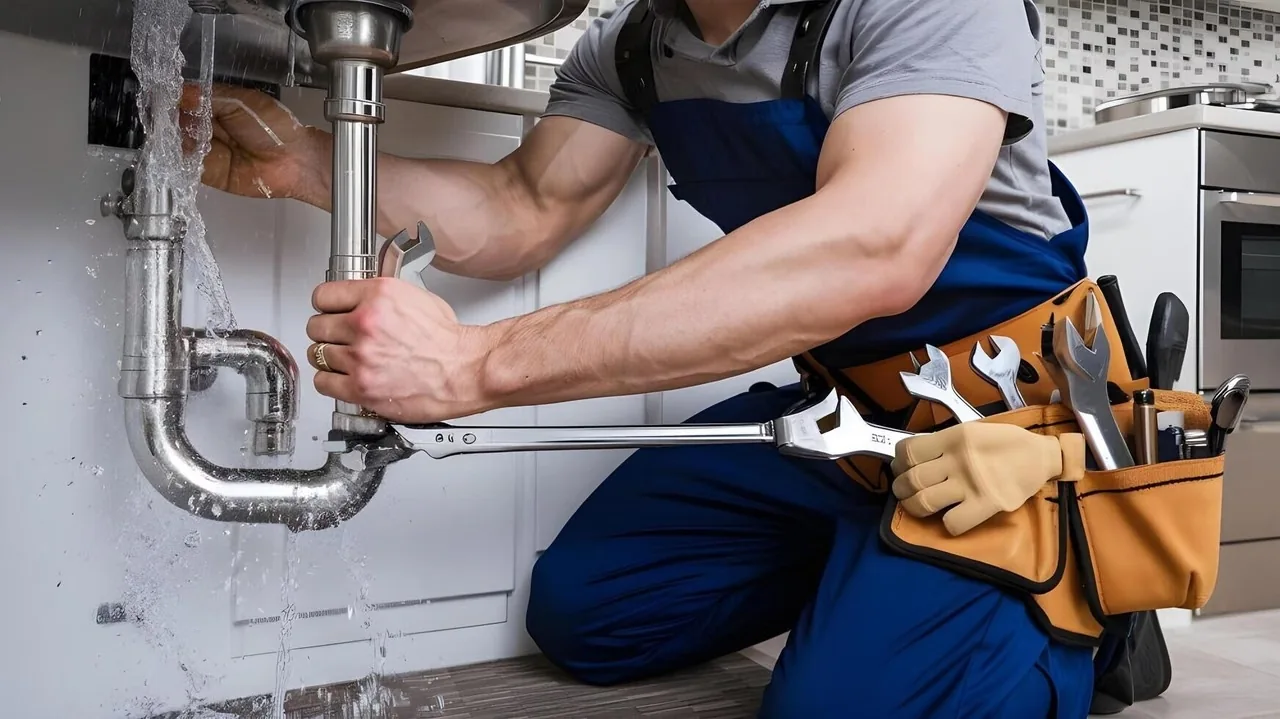
01 / WATER LEAKS
Leaks & dripping connections
Identify visible signs such as pooling water, damp cabinets and loose fittings. Learn what to record before requesting help.
From dripping taps to under-sink pipework, get familiar with everyday plumbing issues and prepare for a conversation with a qualified professional.
Explore common issues → Make a checklistIndependent information · No location restrictions · No online booking claims
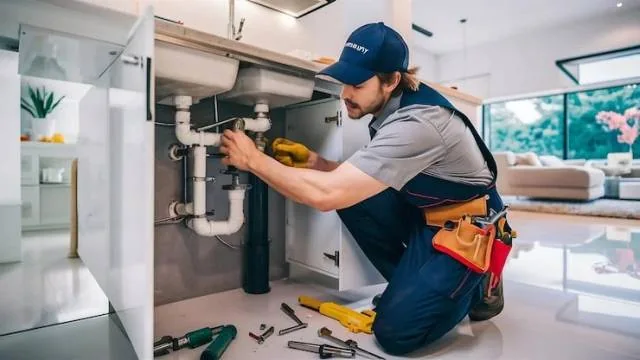
Different symptoms call for different responses. These guides help you describe the issue and recognise when professional assessment matters.
Identify visible signs such as pooling water, damp cabinets and loose fittings. Learn what to record before requesting help.
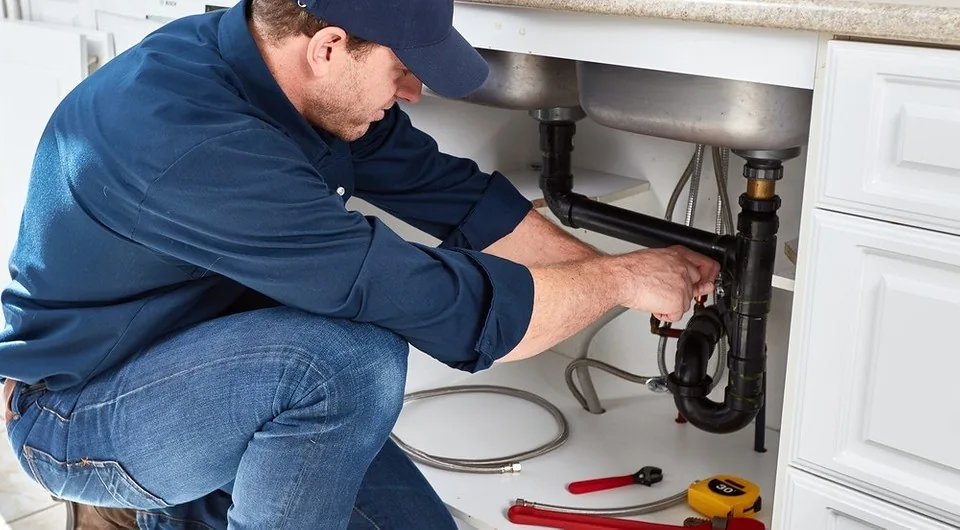
Understand typical warning signs, avoid harsh improvised fixes and prepare a useful description of the blockage.
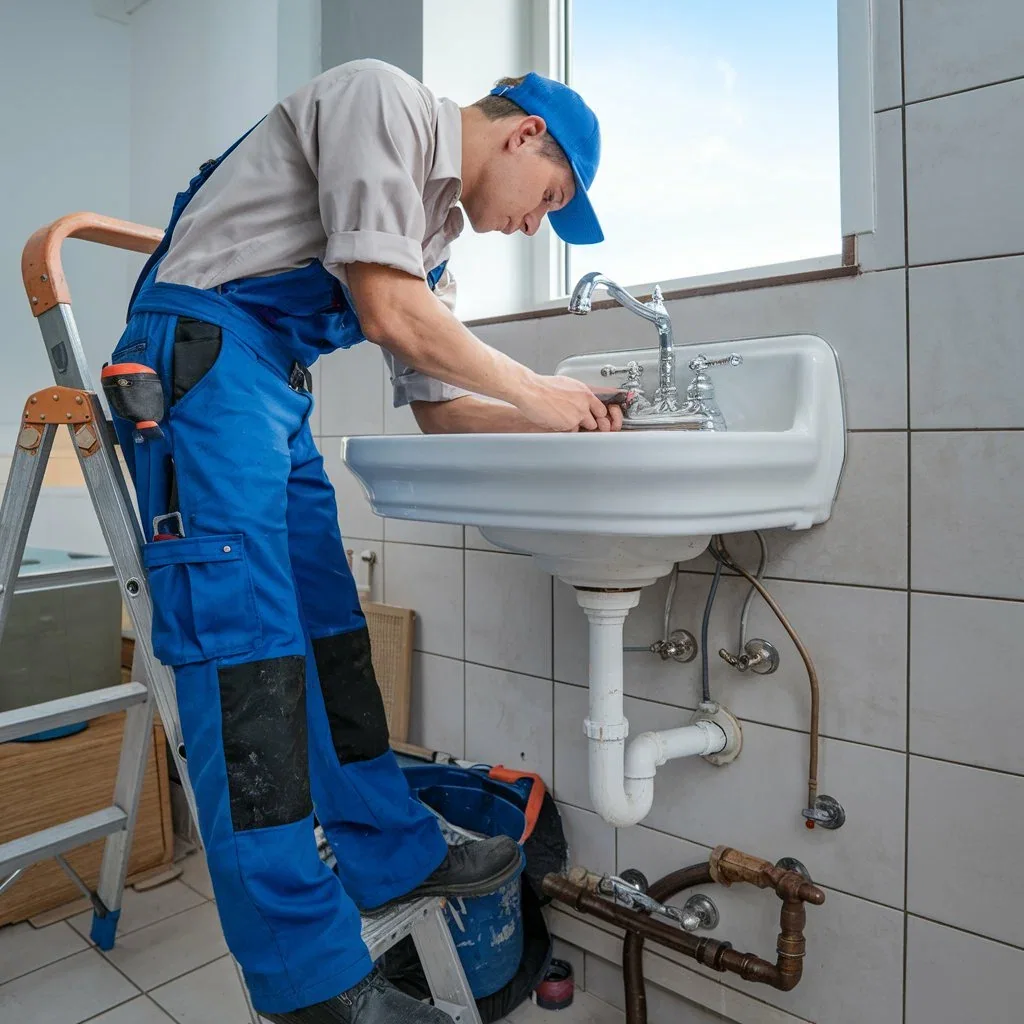
Explore common maintenance questions about taps, seals, connections and fixture replacement.
Rapidly spreading water, a burst pipe or water near electrical equipment needs prompt attention. If it is safe, turn off the water supply and contact an appropriate local emergency professional.
Read safety questions →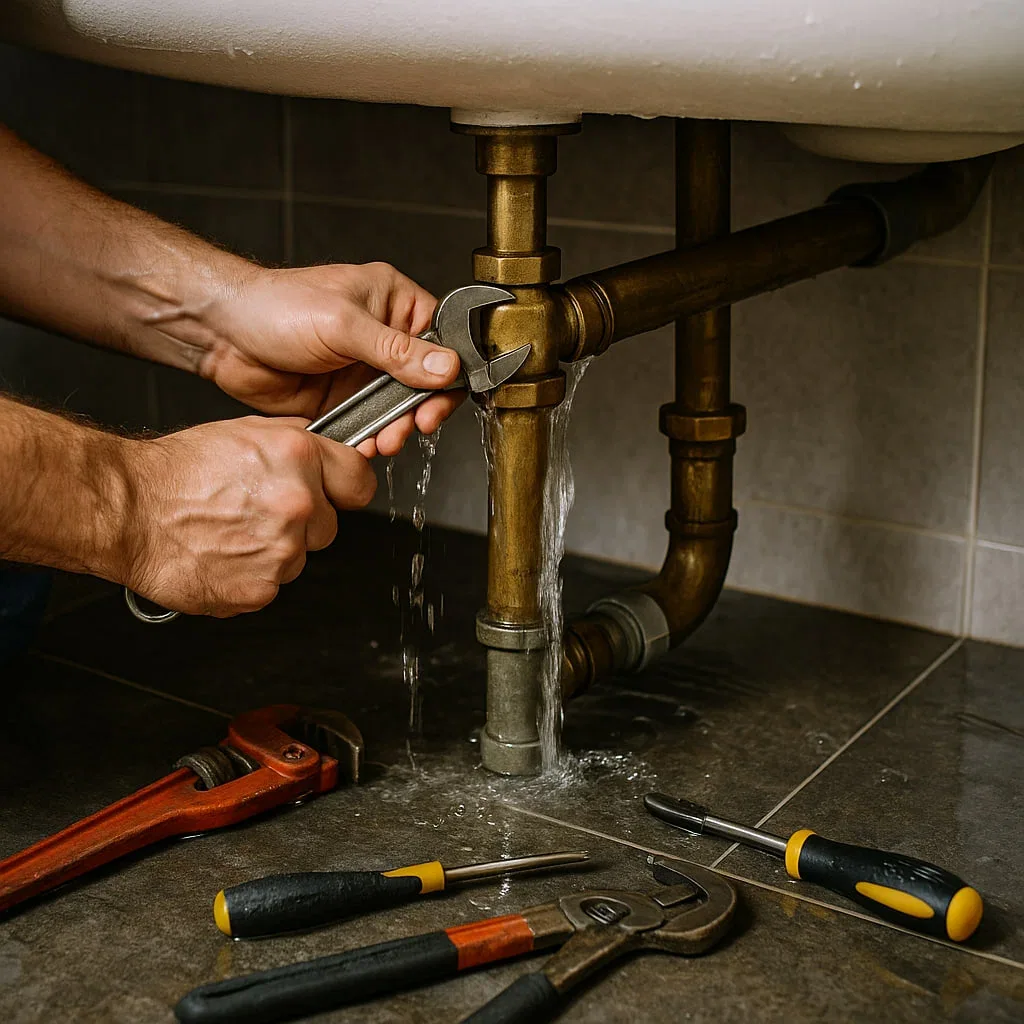
A little preparation can make the assessment clearer without attempting risky repairs yourself.
Note when the issue started, which fixtures are affected and whether it is getting worse.
Take photos of visible damage or leaks without touching unsafe components.
Clear access to sinks, valves and cabinets where it is safe to do so.
Discuss the inspection, proposed work, materials, estimated cost and follow-up.
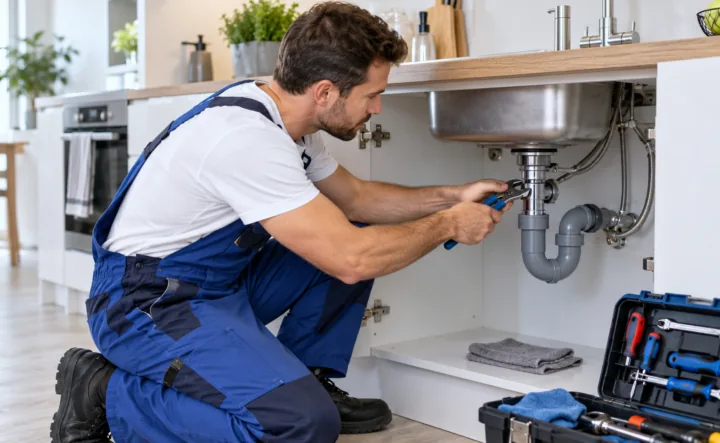
Regular visual checks can help you spot small changes before they become disruptive. Focus on what you can safely observe, and leave technical work to trained professionals.
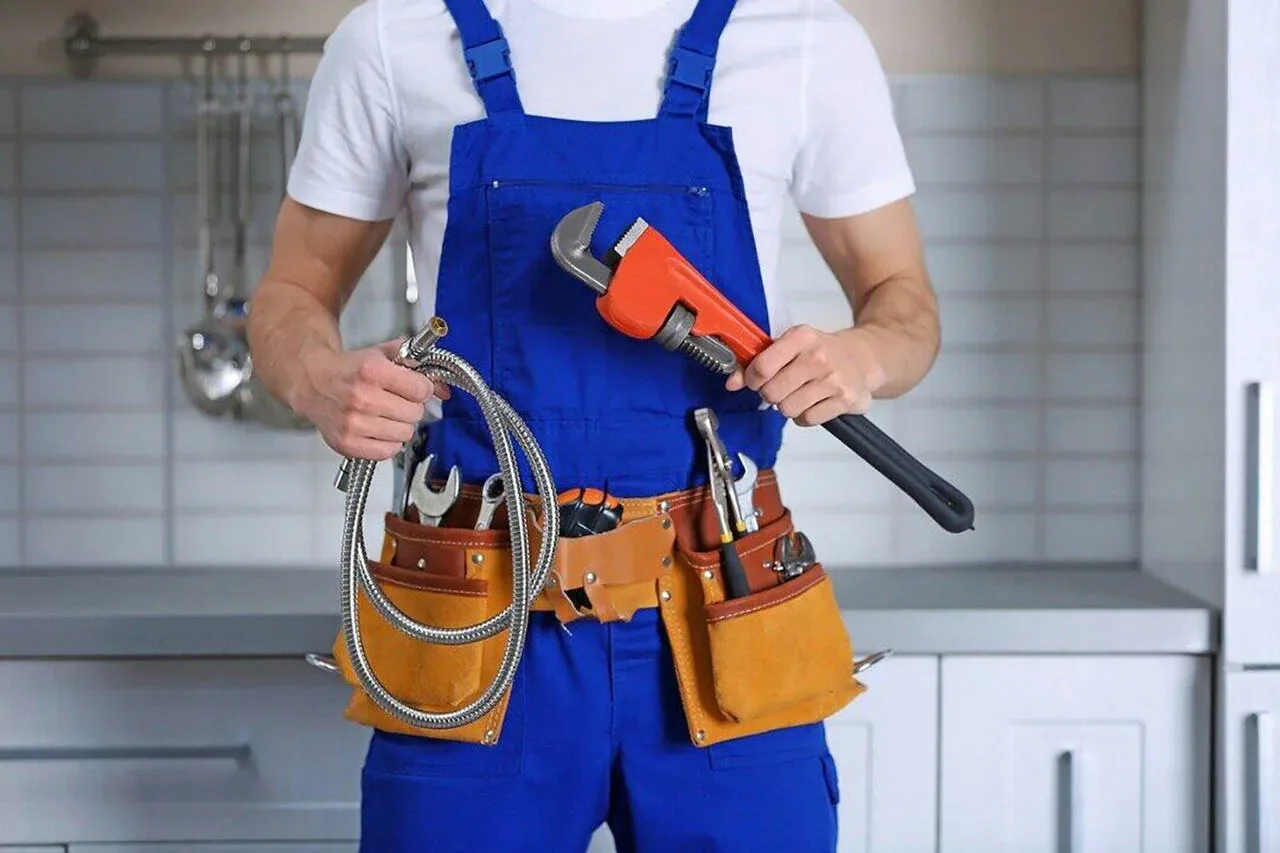
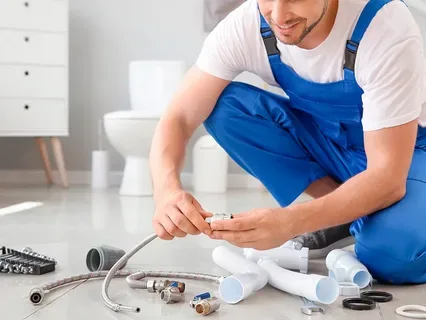
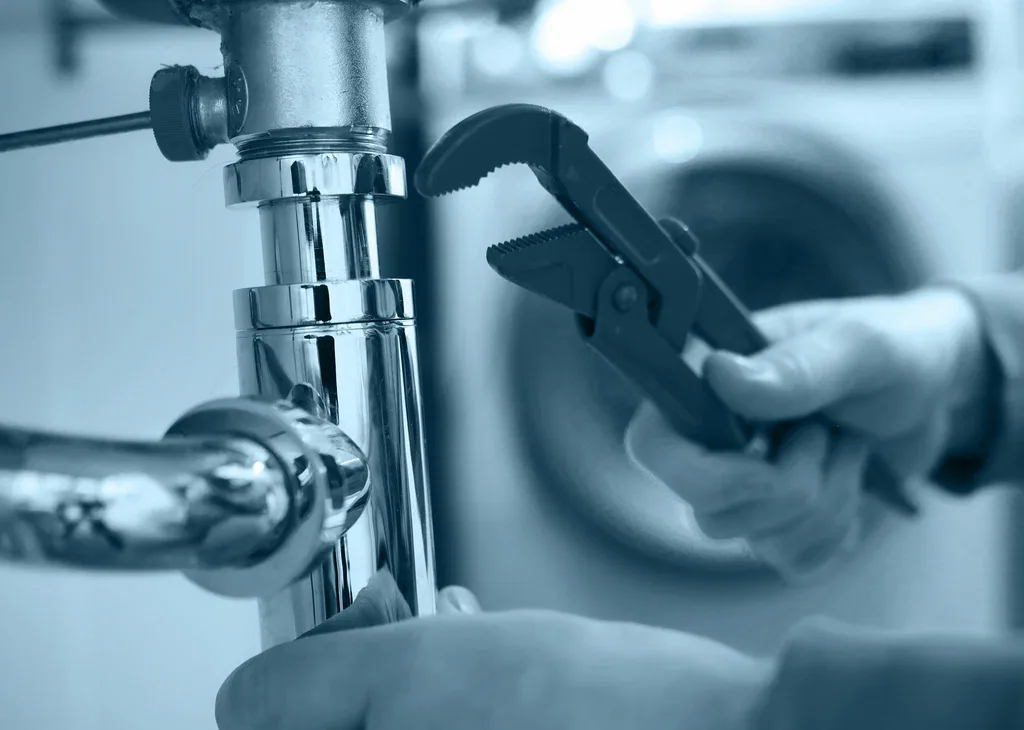
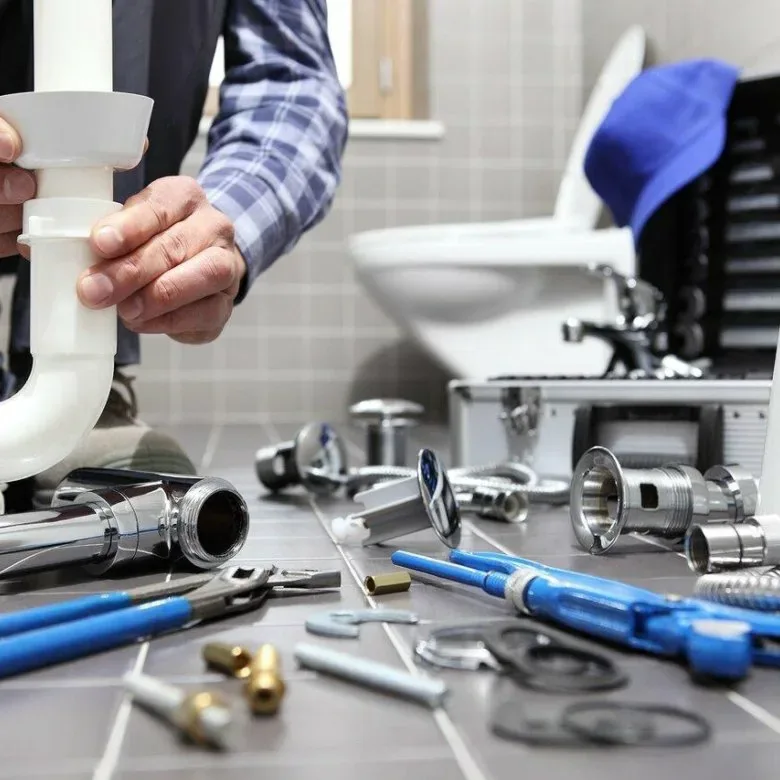
Visual examples of tools, fittings and everyday repair settings.
Summarise what you have noticed before contacting a qualified plumber. Your answers stay in this browser; you can download the result as a text file.
This tool does not diagnose faults, send inquiries or book appointments.
Some minor maintenance may be straightforward, but pressurised systems, concealed leaks and unfamiliar fittings are best assessed by a qualified professional. Avoid unsafe dismantling.
Keep away from electrical hazards. If safe, shut off the relevant water supply and seek local emergency plumbing assistance. This website does not provide emergency dispatch.
Share the location, symptoms, when the issue began, photos of visible damage and any relevant changes in water pressure or drainage.
No. Pipewise is an independent information website. It offers general guides and preparation tools, not contractor bookings, service guarantees or price estimates.
No. Images illustrate plumbing work and should not be interpreted as a portfolio of projects performed by Pipewise.